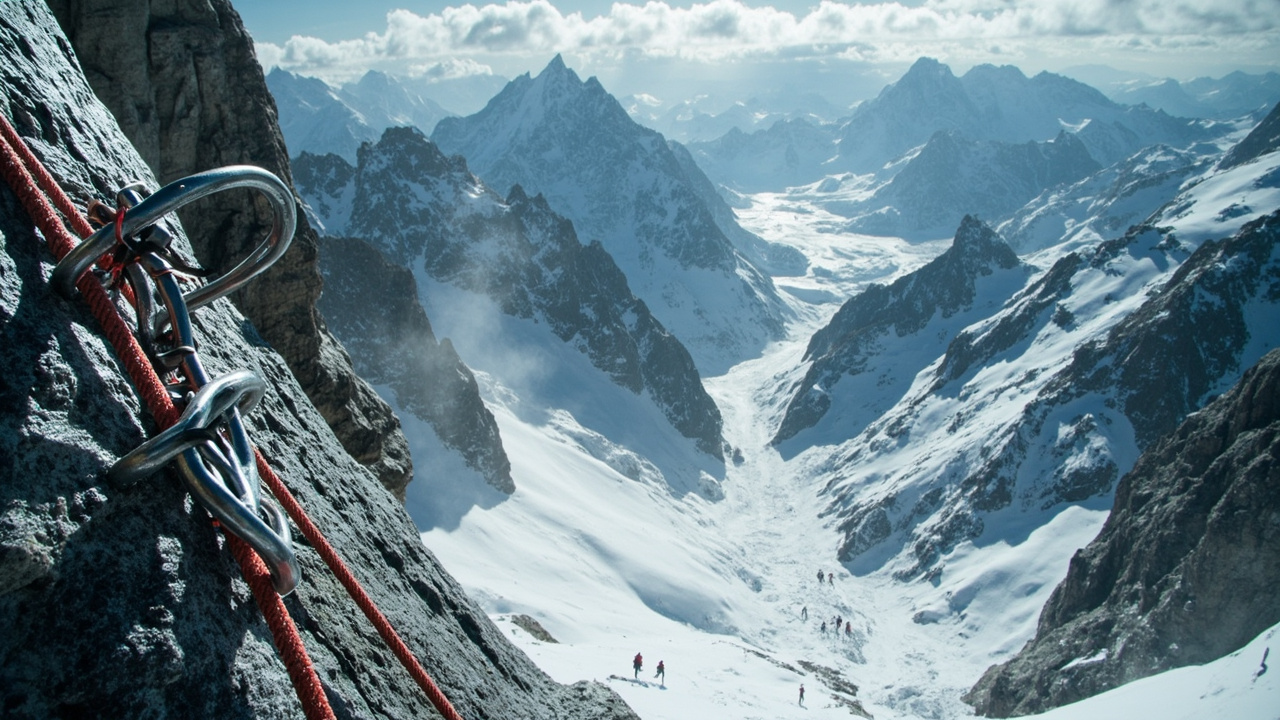
Autopsies Reveal Men Weren't Killed by Weather, but by Anchor Failure
Kaden Matsuda, 19, and Jackson Donlon, 20, both died from a catastrophic anchor failure while rappelling in Colorado's West Apostle Mountain, not from the heavy snowstorm that surrounded their tragic accident.
The Chaffee County Sheriff’s Office confirmed on November 3 that the deaths of the two experienced college climbers were due to multiple blunt force injuries sustained when their climbing anchor failed. Investigators determined that the anchor malfunction led to a substantial fall, resulting in their instant deaths. Their bodies were located at 3:30 PM on October 28, 2026, approximately one mile from their collapsed tent, which was buried under heavy snow.
The Details of the Incident
On October 23, 2026, Matsuda and Donlon—students at Colorado Mountain College—set out to climb West Apostle Mountain, a challenging 13,597-foot peak. They were reported missing after failing to return on October 26. A search operation involving dogs, helicopters, and over 60 personnel was launched after their vehicle was found parked at the Mount Huron Trailhead.
The sheriff's office stated that Matsuda and Donlon had a well-prepared climbing setup, which included personal anchor devices. During the rappel, the primary rock anchor, backed by a piton, failed, leading to both men falling a considerable distance. According to Sheriff Andy Rohrich, the specific cause of the anchor failure remains unknown. Investigators noted that although there was a heavy snowstorm occurring at the time, it did not directly contribute to their deaths.
Regulatory Response and Insights
This tragic incident sheds light on the importance of climbing safety and equipment integrity. Sheriff Rohrich praised both men for their preparedness and experience in navigating the mountainous terrain. "Kaden and Jackson lived life at the highest peaks chasing freedoms and panoramic views that most of us only see in pictures," he said in a statement. He added that their case serves as a reminder for future adventurers about the importance of thorough equipment checks and the inherent risks of climbing.
Climbing expert Dr. Sarah Miller emphasized the need for climbers to be educated on anchor systems. "Despite proper training, equipment failures can happen," she noted. "Understanding how to assess anchoring conditions and recognizing the signs of potential failure can be life-saving."
Understanding the Environmental Context
While the rescuers initially feared that the inclement weather could have been a factor in their disappearance, the sheriff's office confirmed it was not the cause of their deaths. On October 28, reports indicated that 1 to 2 feet of snow had fallen in the area, creating hazardous conditions for search teams. The duo was believed to have left their tent before an extensive snowfall that would later complicate search and rescue operations.
Authorities have cautioned that while bad weather can often be a factor in fatal climbing incidents, the realities of equipment failure must also be considered. According to the U.S. National Park Service, climbing accidents can be reduced significantly by using proper gear and conducting regular maintenance checks.
Remembering Kaden and Jackson
The impact of their loss rippled through their community, prompting an outpouring of grief and remembrance. Colorado Mountain College released a statement mourning the loss of their students, highlighting both men as passionate climbers who had ambitions of becoming outdoor leaders. "They had a shared passion for the mountains, which turned into a strong friendship," the statement said.
In the aftermath of this incident, local climbing organizations and colleges have called for enhanced safety training and awareness programs. This includes seminars on anchor systems, emergency response training, and environmental assessments.
Conclusion: A Call to Action for Climbers
The tragic deaths of Kaden Matsuda and Jackson Donlon underline the perils of climbing and the importance of safety measures. While their skills and preparations may have been exemplary, this incident reveals how quickly situations can change in the mountains.
As climbing enthusiasts continue to explore rugged terrains, these events serve as poignant reminders of the inherent risks associated with backcountry adventures. Climbers are encouraged to prioritize safety, invest in reliable gear, and stay updated on safety techniques to mitigate risks while enjoying Colorado's breathtaking landscapes.
Takeaways:
- Kaden Matsuda and Jackson Donlon died from blunt force injuries due to anchor failure.
- The anchor system malfunctioned, leading to their fall during a climbing expedition.
- The incident occurred on October 28, with the two men reported missing since October 26.
- Heavy snow was present, but officials stated it did not directly cause their deaths.
- Climbers are reminded to check their equipment and understand anchoring systems thoroughly.
FAQ:
What caused the deaths of Matsuda and Donlon? Their deaths were caused by a catastrophic failure of their climbing anchor, not by weather conditions.
When were Matsuda and Donlon reported missing? They were reported missing on October 26, 2026, after failing to return from a climbing trip.
How did authorities determine the cause of death? An autopsy revealed multiple blunt force injuries consistent with a fall due to anchor failure.
Is climbing in such conditions safe? While experienced climbers can navigate harsh environments, thorough equipment checks and understanding safety measures are crucial.
Sources referenced
- 2 college students found dead in Colorado mountains fell to their deaths when climbing anchor broke (https://apnews.com/article/missing-college-hikers-colorado-autopsy-86c26a4566fc96095e8a0a96f05b6fca)
- Cause of Death Revealed for Missing College Students Found After Hike as Authorities Blame a ‘Catastrophic Failure’ (https://malaysia.news.yahoo.com/cause-death-revealed-missing-college-223619264.html)